

Light in Psychoaesthetic Design: an essential nutrient
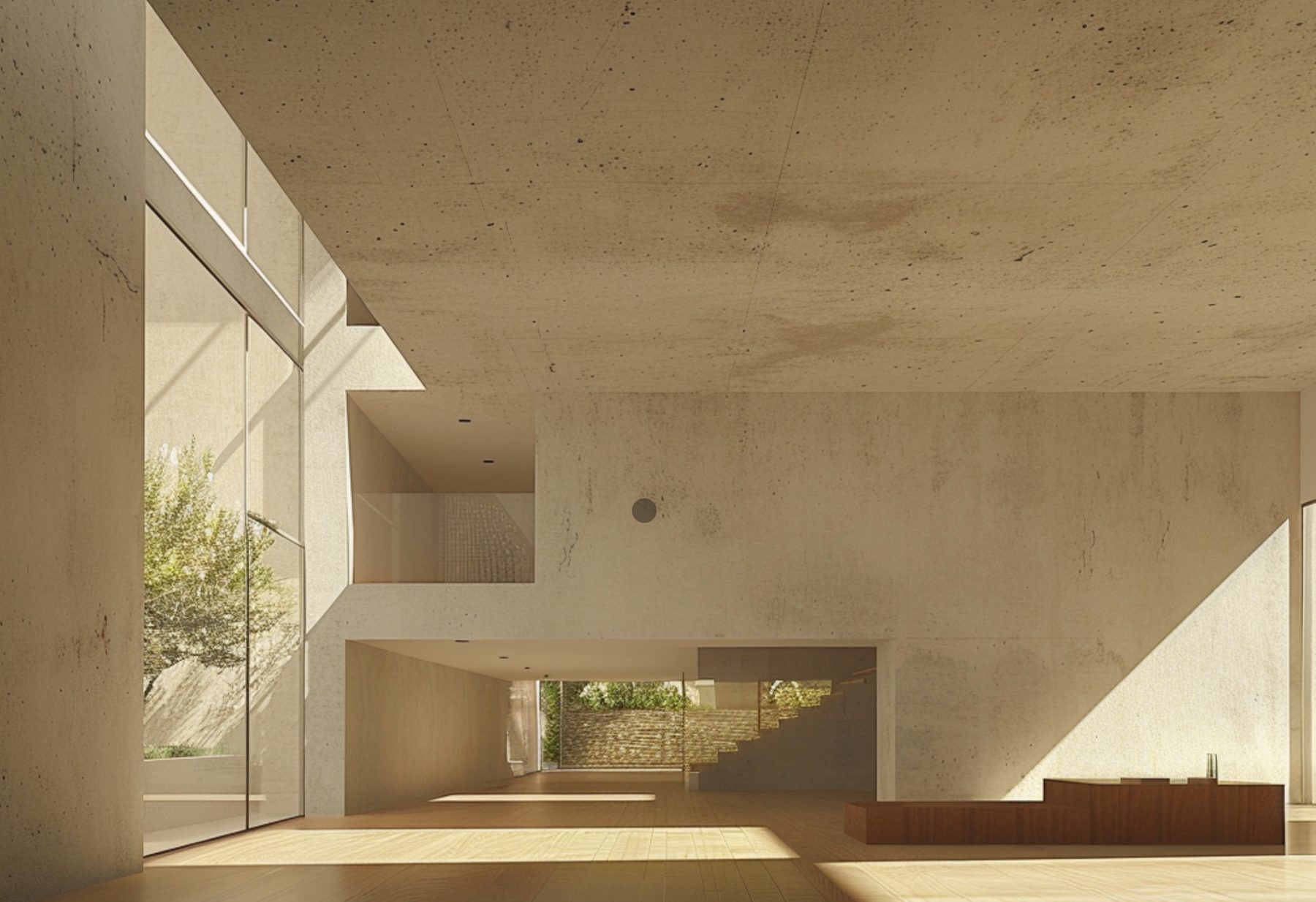
In recent years, science has been rediscovering the importance of natural light for human health. Before the discovery of antibiotics, medicine used natural light as a therapy.
In the modern age, we began to treat artificial light carelessly, unaware of how much brightness and its dynamics affect human health.
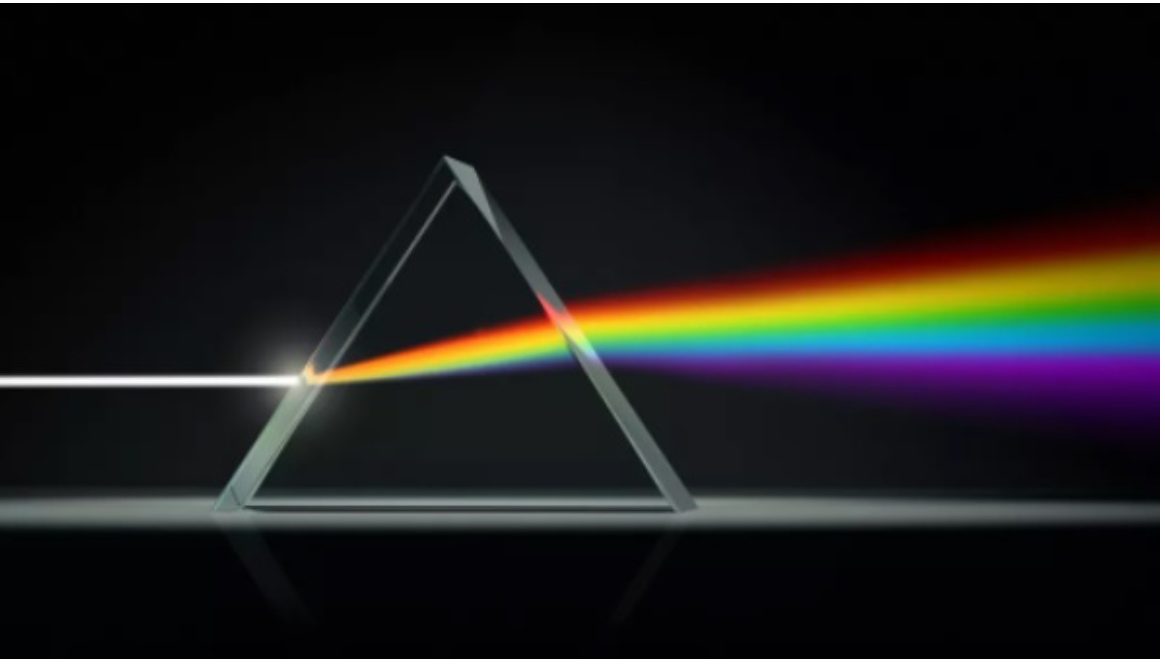
Source: Prism splitting light into a color spectrum (representative image). Source: Knewz.com (28 June 2025).
The importance of natural light for human health
In the early 20th century, heliotherapy (medical treatment through sunbathing) proved successful in fighting difficult diseases such as tuberculosis, and even in helping patients recover from the 1918 flu. Decades of research have documented that avoiding the sun completely can be harmful: in a 20-year study in Sweden involving 30,000 women, those who avoided sun exposure had a 60% higher risk of mortality compared with those who were exposed the most (in particular, a higher incidence of cardiovascular disease). In other words, adequate sunlight not only improves quality of life but seems, quite literally, to prolong it. More recently, Dr Huberman, a neuroscientist at Stanford University, has recommended 10 minutes of sunlight in the first few hours after waking (even on cloudy days) as a simple way to lift mood, boost energy and prepare the brain and body for a productive day.

Source: Photograph of the Sanatório Marítimo do Norte. Source: Restos de Colecção (29 December 2011).
Life on Earth evolved under a daily cycle of light and darkness. Our bodies developed an internal circadian rhythm of approximately 24 hours, synchronised mainly by sunlight.
In the morning, natural light enters through the eyes and stimulates the brain's suprachiasmatic nucleus, acting as the daily “reset” of our biological clock. This light signal triggers a hormonal cascade: it raises cortisol levels (giving us morning energy and focus) and inhibits melatonin (the sleep hormone) to keep us awake. This light-stimulated morning cortisol peak not only wakes us up but also strengthens the immune system and metabolism at the right time.
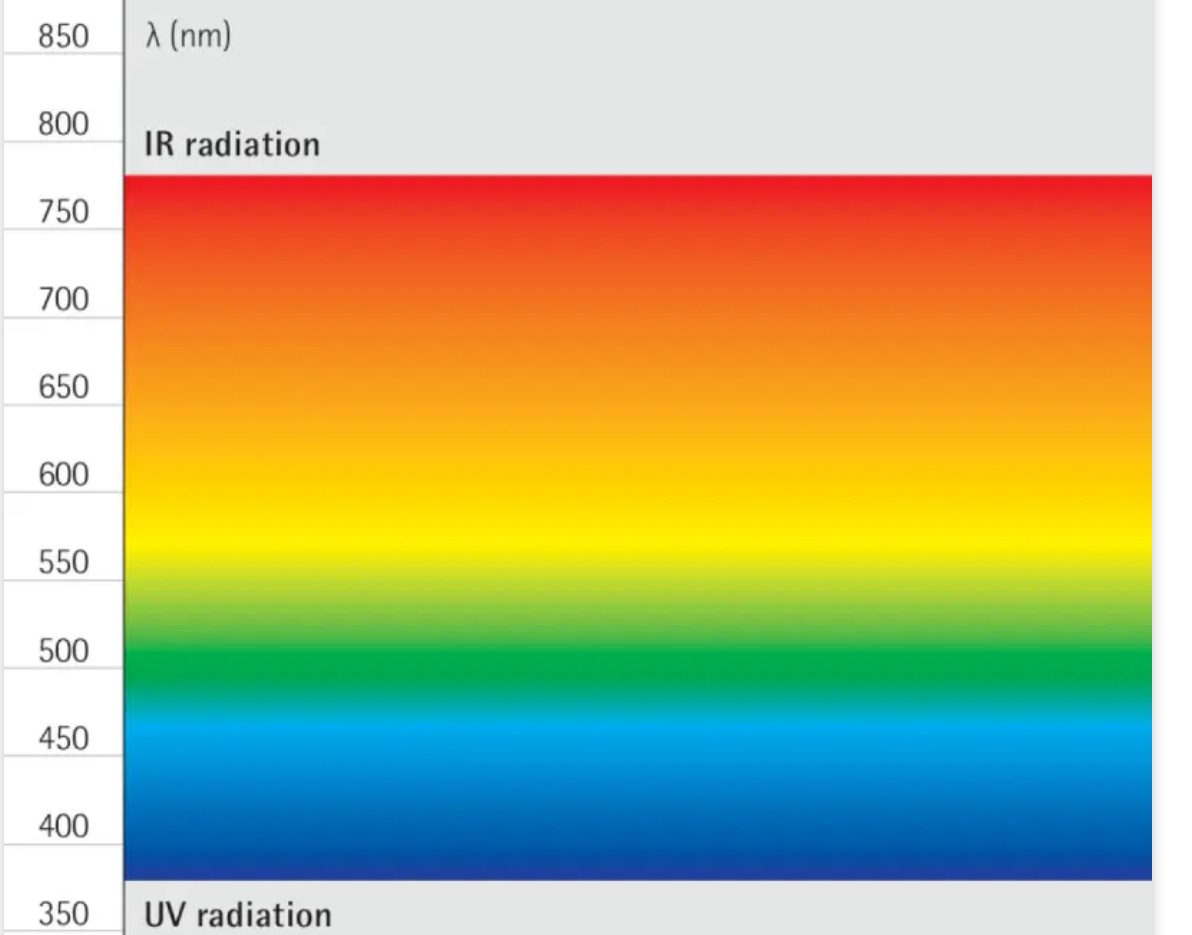
Source: Representation of the visible light spectrum (380–780 nm). Source: ERCO – Designing with Light (published around 10 months ago, 2024‑2025)
The influence of artificial light on the biological clock
If natural light nourishes us, modern artificial lighting can, paradoxically, “intoxicate” us when poorly used. Since the invention of the electric light bulb, and especially with LEDs and electronic screens everywhere, we are exposed to types of light to which human biology has not fully adapted.
One of the greatest villains identified is blue light at night – the cold glow of screens, smartphones, TVs or white LED bulbs with a strong blue component. At night, this light can profoundly confuse our biological clock.
As reported by Harvard Medical School, exposure to light at night “disrupts the circadian clock” and suppresses melatonin, impairing sleep; evidence links chronic night-time exposure (as in shift work) to a higher incidence of cancer, diabetes, heart disease and obesity.
Of all the colours of the spectrum, blue light is the most problematic at night. During the day, the blue portion of the spectrum (present in sunlight) is beneficial: it increases attention, reaction time and mood. After sunset, however, these wavelengths become the most disruptive to the brain.
Experts recommend using dim red or orange light at night (less energetic and less detected by the circadian system) – for example, amber-toned bulbs for ambient lighting, or even glasses with orange lenses to filter out blue light.
Huberman himself reports that he adopted red bulbs at home from 9 pm onwards to minimise melatonin suppression, and that this greatly improved his sleep. Strategies such as Night Shift on mobile phones or night filters on computers are based on the same principle: reducing blue tones and intensity in the hours before bed.
Light in Interior Design
It therefore seems clear to us that Light is a central element of Interior Design, yet it is often treated superficially, with only its aesthetic qualities in mind.
There is an urgent need to approach light in a psychoaesthetic way, that is, to take psychological aspects into account in the lighting design, so that artificial light is chosen and programmed to support the biological rhythms and well-being of those who use the space.
What can we integrate into interior design projects to include the psychoaesthetic aspects of light?
Check the Colour Rendering Index (CRI)
This measures how well a light source reproduces the true colours of objects compared with natural light. Low-CRI bulbs (e.g. some cheap LEDs or fluorescent lamps) make everything look washed out or distorted in tone – red may look brownish, green may lose its vibrancy.
Source: Illustration showing how SunLike LEDs reveal colour. Source: Ledrise Led Professional (20 January 2023)
Research indicates that high-CRI light sources (90+), similar to daylight, can improve cognitive performance, increase well-being and even reduce the risk of depression and anxiety among occupants.
On the other hand, prolonged exposure to low-CRI lighting (a poor spectrum) tends to misalign our internal clock, potentially contributing to sleep disorders and mood swings.
There is also an indirect benefit to using high-CRI, full-spectrum lighting: the true colours of décor, walls and objects are revealed.
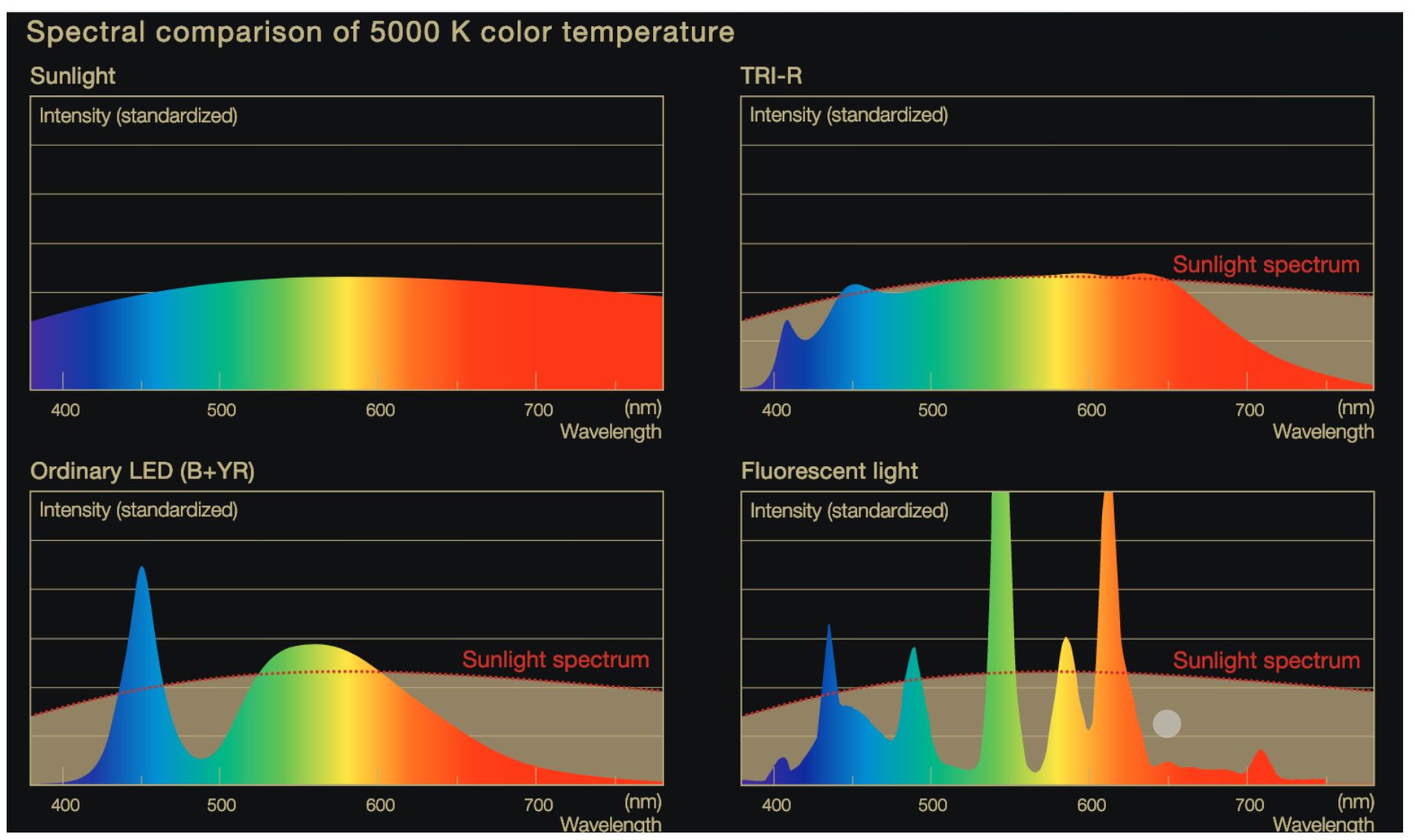
In the chart above, we can analyse the differences between the various types of light and confirm that standard LED and fluorescent light do not nourish us with all colours.
The closest to natural light are TRI-R LEDs, which are harder to find on the market. Paradoxically, the second-best alternative is incandescent bulbs, as their spectrum is shifted towards red, which is more comfortable and healthier for their most common use – at night.
Choose the colour temperature – measured in Kelvin (K).
In lighting design, we speak of “warm” versus “cool” light: warm light has a yellow/orange tone (low Kelvin, ~2700–3000K), while cool light is bluish/white (high Kelvin, ~5000–6500K). Each serves a different purpose.
In general, warm light creates an atmosphere of comfort and intimacy, conducive to relaxation; it is what is used in living rooms, bedrooms and restaurants, where we want a calm, welcoming mood.
Cool, bright light, on the other hand, encourages concentration, alertness and energy, making it suitable for offices, kitchens, classrooms and other work and morning spaces.
Studies show that people in work environments with cooler, more intense lighting tend to be more attentive and productive, while in domestic settings at night, warm tones help the body unwind and prepare for sleep.
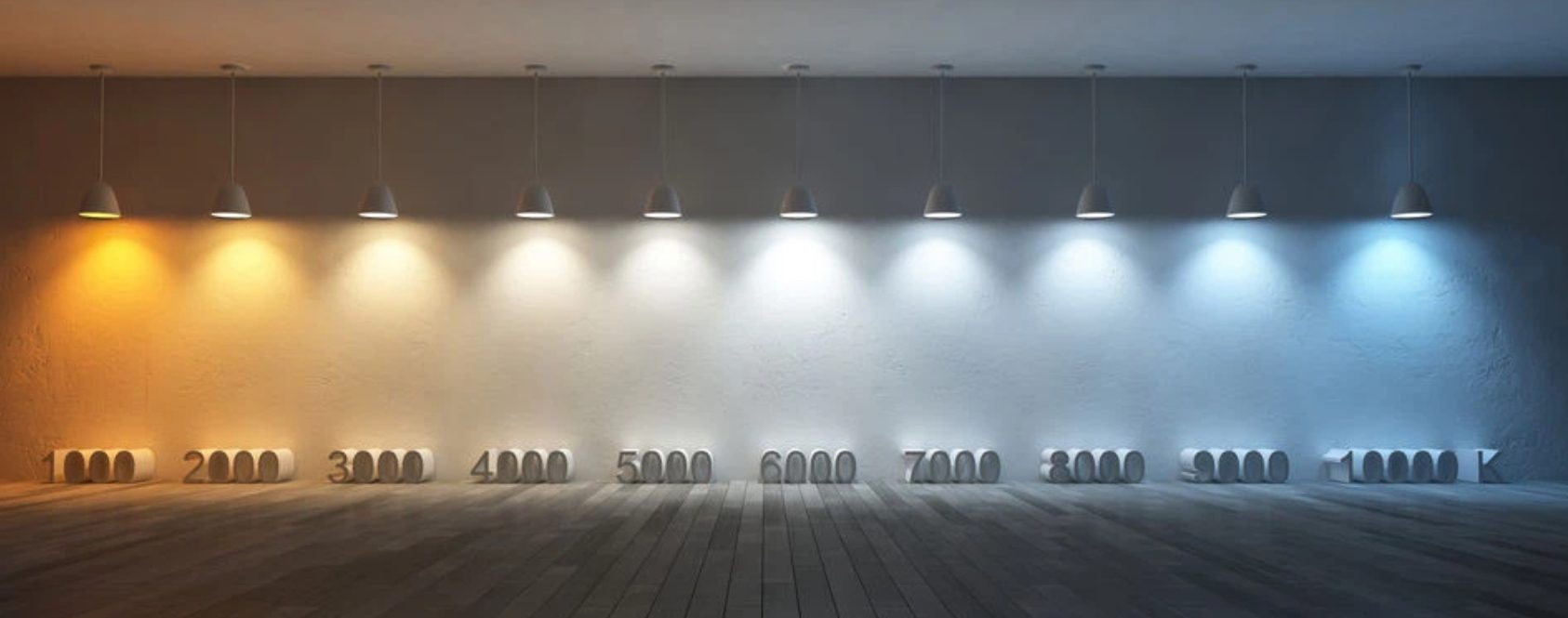
Source: Illustration on criteria for choosing LED lighting products. Source: Advance – Lighting & Electrical Distributors
Dynamic lighting in interior design
It is now possible to develop dynamic lighting schemes for interiors: systems whose light intensity and colour change according to the time of day, imitating the solar cycle.
In the morning, cooler, brighter lights come on; in the afternoon, neutral tones; at night, the intensity is reduced and a warm, reddish spectrum takes over. This is already feasible with smart LEDs and controllers (DMX, DALI, apps, etc.).
Examples:
- In an office, the lighting can be programmed to provide bright, cool white 5000K light from 8 am to 12 pm to stimulate the morning, slightly reduced intensity from 12 pm to 2 pm for post-lunch comfort, a clear neutral light from 3 pm to 6 pm for focus, and, from 6 pm, a gradual shift to a soft 3000K, preparing staff to switch off from work.
- In hotels or homes, we can install TRI-R LED strips with circadian tuning, which change colour automatically – golden dawn, bright midday, orange dusk.
Indoor environments with lighting synchronised to the circadian rhythm improve sleep, mood and even productivity for their users.
Positioning and quantity
Naturally, healthy lighting design also considers the quantity and positioning of lights.
Insufficient light causes eye strain and can dampen the spirits; our brains associate prolonged darkness with monotony and insecurity.
On the other hand, a room that is uniformly brightly lit at all hours can cause overstimulation and stress. The balance is a delicate one.
Flexible systems, with dimmers or multiple layers of light (general ambient lighting, task lighting, accent lighting), allow the setting to be adjusted as needed.
For example, relying solely on strong ceiling light is not ideal; diffuse ceiling light is combined with floor or table lamps, creating zones with different levels of brightness – this makes the space noticeably more comfortable and “human”.
Encouraging natural light
Natural light inside buildings is a central element of biophilic design, an approach that seeks to reconnect interiors with nature in order to improve well-being.
Environments with abundant daylight and views to the outside reduce stress, lower blood pressure and increase user satisfaction.
In hospitals, classic studies have shown that patients in rooms with a view and natural light recover faster and require less pain medication than patients in dark rooms facing walls.
Bringing in diffuse sunlight through skylights or large windows markedly improves staff mood and reduces fatigue.
As cited in a Rockfon publication on hospital design, optimising natural light in facilities shortened hospital stays and reduced levels of depression and fatigue in patients, as well as reducing burnout among healthcare staff.
A visual connection with sunlight gives us a healthy sense of the passage of time, fuels daytime serotonin production (a neurotransmitter associated with well-being) and reinforces circadian alignment.
There are technology and lighting companies that develop and promote solutions such as solar-spectrum LEDs and night modes. In design, terms such as “circadian lighting” and “biophilic design” are no longer a niche trend but mainstream good practice.
We suggest a visit to: https://optimizeyourbiology.com, to explore the technological solutions available in terms of biophilic products.
Seeing light as a nutrient is a key perspective in design that follows the psychoaesthetic method.
At Interior Guider, we believe that a good lighting design is one of the clearest examples of the impact interior design has on psychological health, and on the well-being and personal development of our clients.
Discover the Interior Guider psychoaesthetic method, in which light is treated with the same technical rigour as every other element of interior design.
Discover the Psychoaesthetic Method
References
• Midwestern Doctor – “Natural Light is An Essential Nutrient: The Forgotten Side of Medicine”, an article compiling research on the benefits of natural light and the harms of artificial light.
• Huberman, A. – “Using Light for Health” (Huberman Lab Newsletter, Jan 24, 2023), in which Dr Huberman explains how light influences mood, sleep and hormones, and offers tips such as viewing morning sunlight and using red light at night.
• Health Harvard – “Blue light has a dark side” (Harvard Health Letter, Jul 24, 2024), discussing the impact of night-time blue light on melatonin, sleep and chronic disease.
• Hamblin, M. – “Mechanisms and Mitochondrial Redox Signaling in Photobiomodulation” (Photochem Photobiol, 2018) – a scientific review of red/infrared light therapy, showing absorption by the mitochondria (cytochrome c oxidase) and anti-inflammatory and regenerative effects.
• Huberman Lab Podcast #68 – “Using Light (Sunlight, Blue Light & Red Light) to Optimize Health”, with comments on how red light therapy improves vision, skin and sleep.
• Seoul Semiconductor – Studies on SunLike solar-spectrum LEDs, including research by Brigham & Women’s Hospital/Harvard showing cognitive and circadian improvements with daylight-spectrum light vs conventional LEDs , and a study by the University of Basel on sleep . Press release “If You Want Better Sleep, You Need Better Light” (2025) explaining how SunLike’s natural spectrum supports biological rhythms.
• Unibox Lighting – “The psychological effects of lighting: how light affects mood and well-being”, a guide for designers detailing the influence of lighting on perception, mood and the circadian cycle.
• Coohom – “Impact of CRI on Rhythm and Mood”, an article explaining that high-CRI lights (similar to natural light) improve well-being, cognitive performance and mood, while low-CRI light can disrupt the circadian rhythm.
• Border States – “Lighting Psychology 101: How Lighting Affects Mood and Perception”, which explores how the positioning, brightness and colour of light shape the perceived atmosphere, citing effects such as bright light increasing alertness and warm light promoting relaxation.
• Rockfon (2022) – “Impact of Natural Light on Outcomes in Healthcare Settings”, an article on biophilic design in hospitals, citing reductions in depression, pain and length of hospital stay with more natural light and views to the outside.
Images
• Knewz.com. (2025, 28 June). Scientific Experiment Produces Pulse of Light That Can Coexist in 37 Dimensions at the Same Time [Image]. Retrieved 30/07/2025, from https://knewz.com/world/scientific-experiment-produces-pulse-of-light-that-can-coexist-in-37-dimensions-at-the-same-time/
• Restos de Colecção. (2011, 29 December). Sanatório Marítimo do Norte [Image]. Retrieved 30/07/2025, from https://restosdecoleccao.blogspot.com/2011/12/sanatorio-maritimo-do-norte.html
• ERCO. (2024/2025). Light spectrum: definition and explanation [Image]. Retrieved 30/07/2025, from https://www.erco.com/en_us/designing-with-light/lighting-knowledge/photometry/light-spectrum-7528/
• Ledrise Led Professional. (2023, 20 January). SunLike Natural Spectrum LEDs reveal the true color and depth of artistic works [Image]. Retrieved 30/07/2025, from https://www.ledrise.eu/blog/sunlike-leds-reveal-color-and-depth-of-art/
• Advance – Lighting & Electrical Distributors. (n.d.). Como Escolher Produtos de Iluminação LED [Image]. Retrieved 30/07/2025, from https://advance-rr.com/noticia/3