

What moves us.
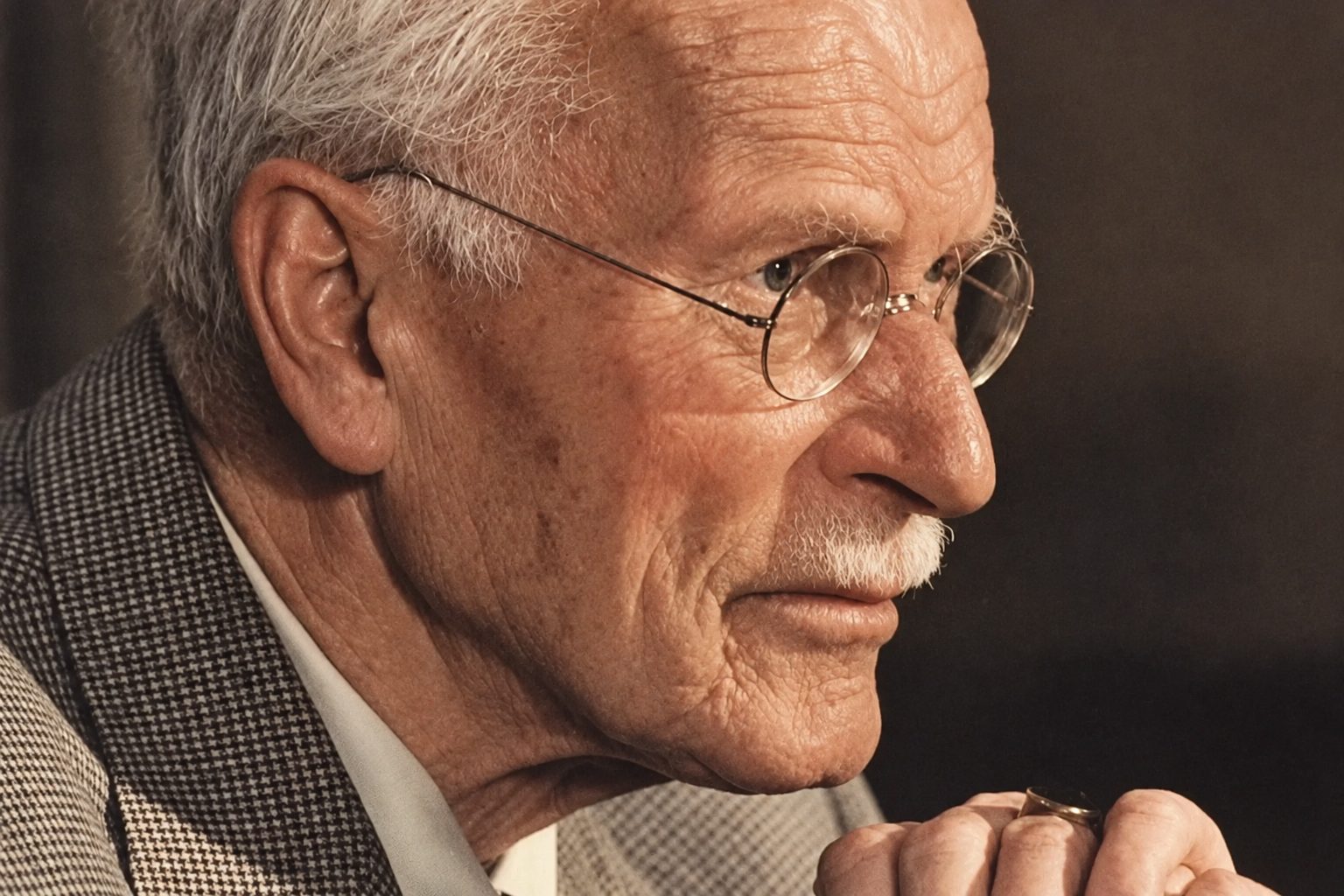
There are questions that 20th-century science could not answer with equations. Why do two people raised in the same environment turn out so differently? Why do certain symbols, dreams and fears appear in cultures that have never crossed paths? It was around these questions that Carl Gustav Jung built one of the most influential and enduring psychological theories in history.
Jung was born on 26 July 1875 in Kesswil, Switzerland. He grew up in an environment shaped by religion and introspection. His father was a Protestant pastor and, from an early age, Jung developed an intense curiosity about what was neither visible nor immediately explicable. He studied medicine and specialised in psychiatry, and it was this combination of clinical rigour and openness to the inexplicable that shaped his entire career.
The relationship with Freud
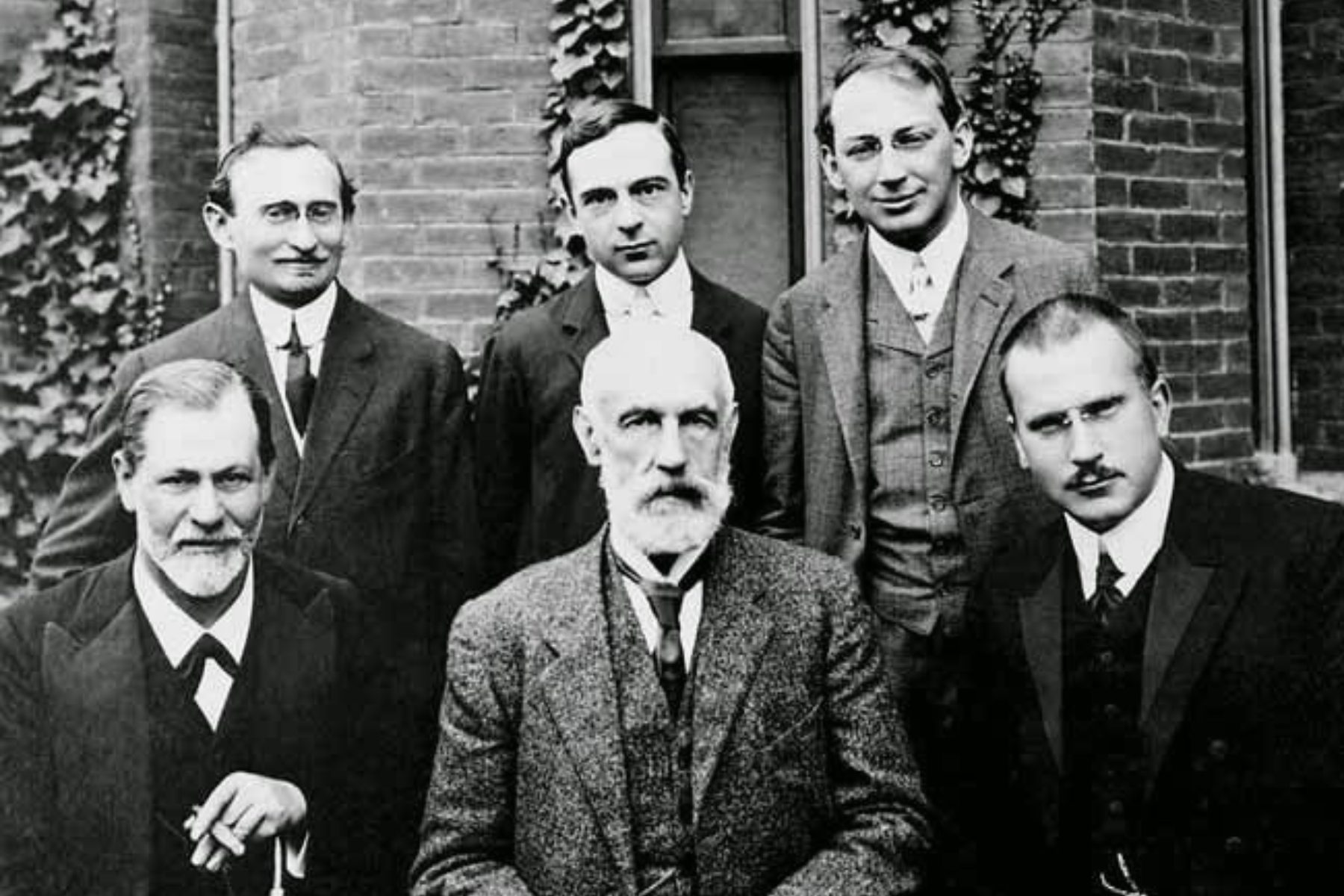
In the early 20th century, Jung grew close to Sigmund Freud, the founder of psychoanalysis. The two shared an interest in the unconscious and its influence on human behaviour. Freud even came to see Jung as his natural successor in the psychoanalytic movement.
But the differences were profound and gradually became insurmountable.
Freud believed that the central driving force of human behaviour was repressed sexuality and childhood experiences. Jung had a broader view. For him, the human psyche was shaped by a constellation of influences: symbolism, culture, collective history, development throughout the whole of life. The split between the two, which became final around 1913, was painful but necessary. It was from then on that Jung developed what he called analytical psychology, a path of his own, distinct from Freudian psychoanalysis.
Key concepts for psychoaesthetic understanding
Three concepts that set Jung's thinking apart.
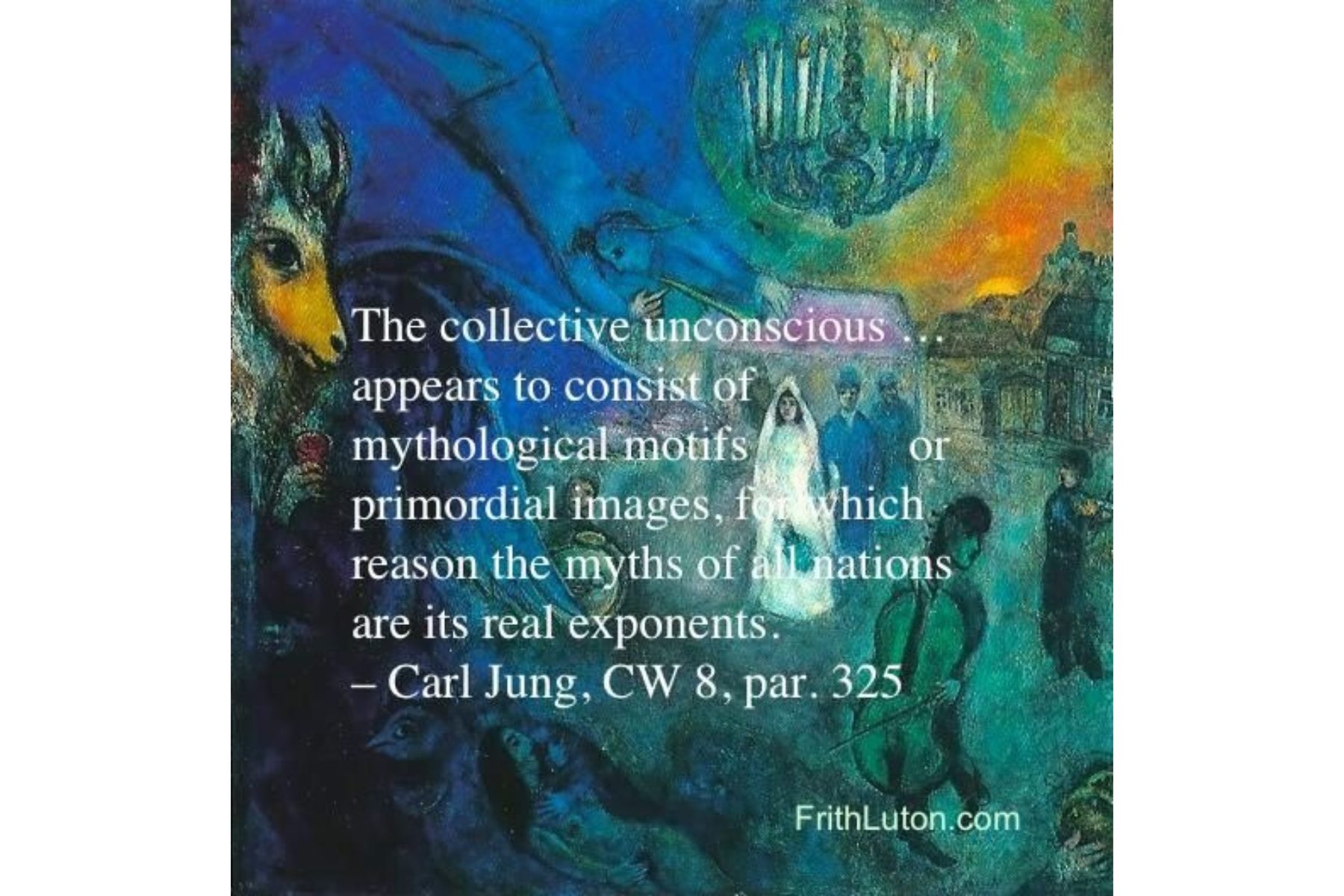
The first is the collective unconscious: the idea that, beyond the personal unconscious (each individual's memories, fears and experiences), there is a deeper layer shared by all of humanity. A kind of common ancestral memory, expressed through symbols and patterns that appear in the mythologies, dreams and religions of every culture, regardless of contact between them. Jung called these universal patterns archetypes.
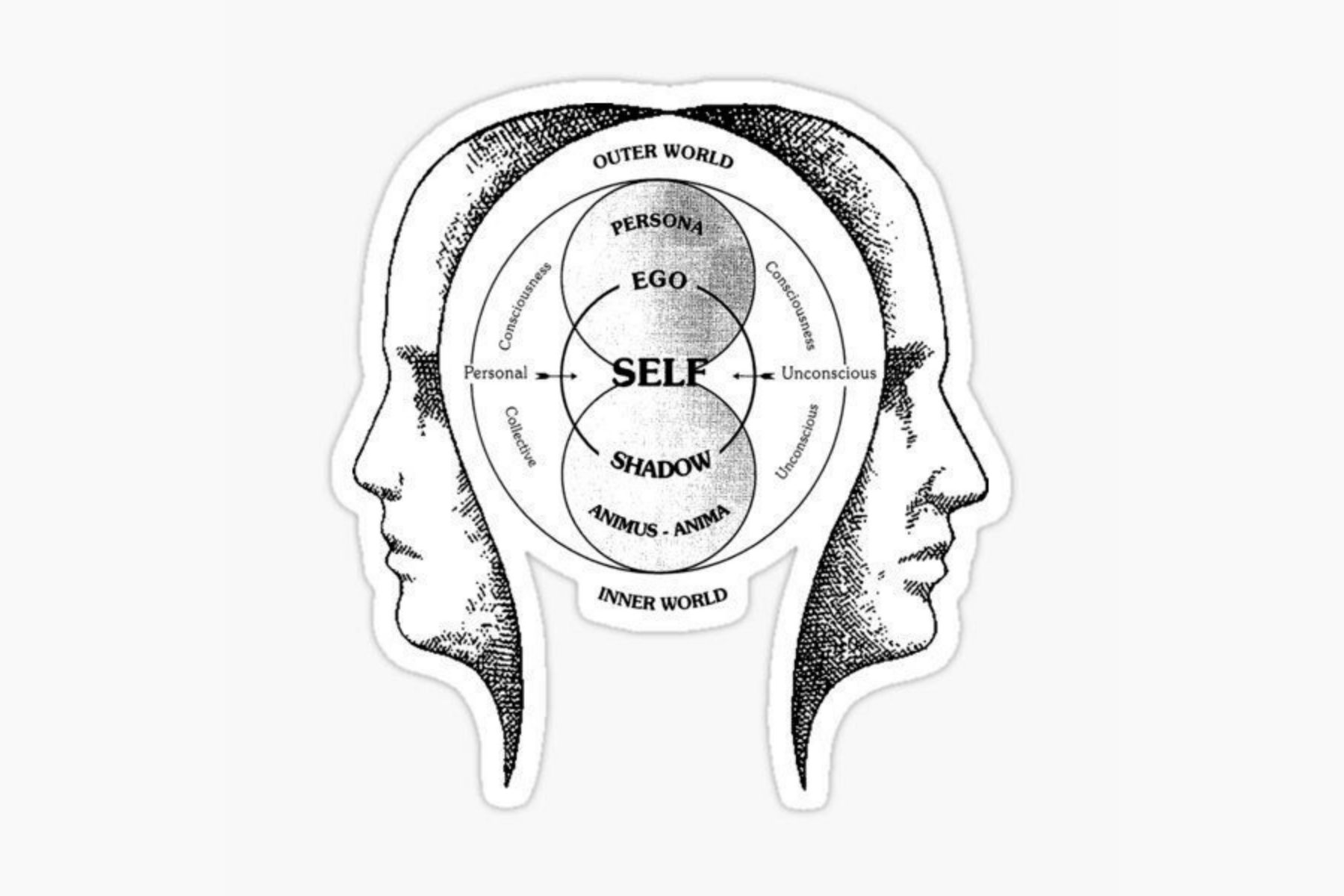
The second is the concept of individuation. The process by which a person truly becomes themselves. Not the mask they present to the world, nor the role they play in society, but who they are in essence. For Jung, this was the central goal of human development and a process that lasts a lifetime.
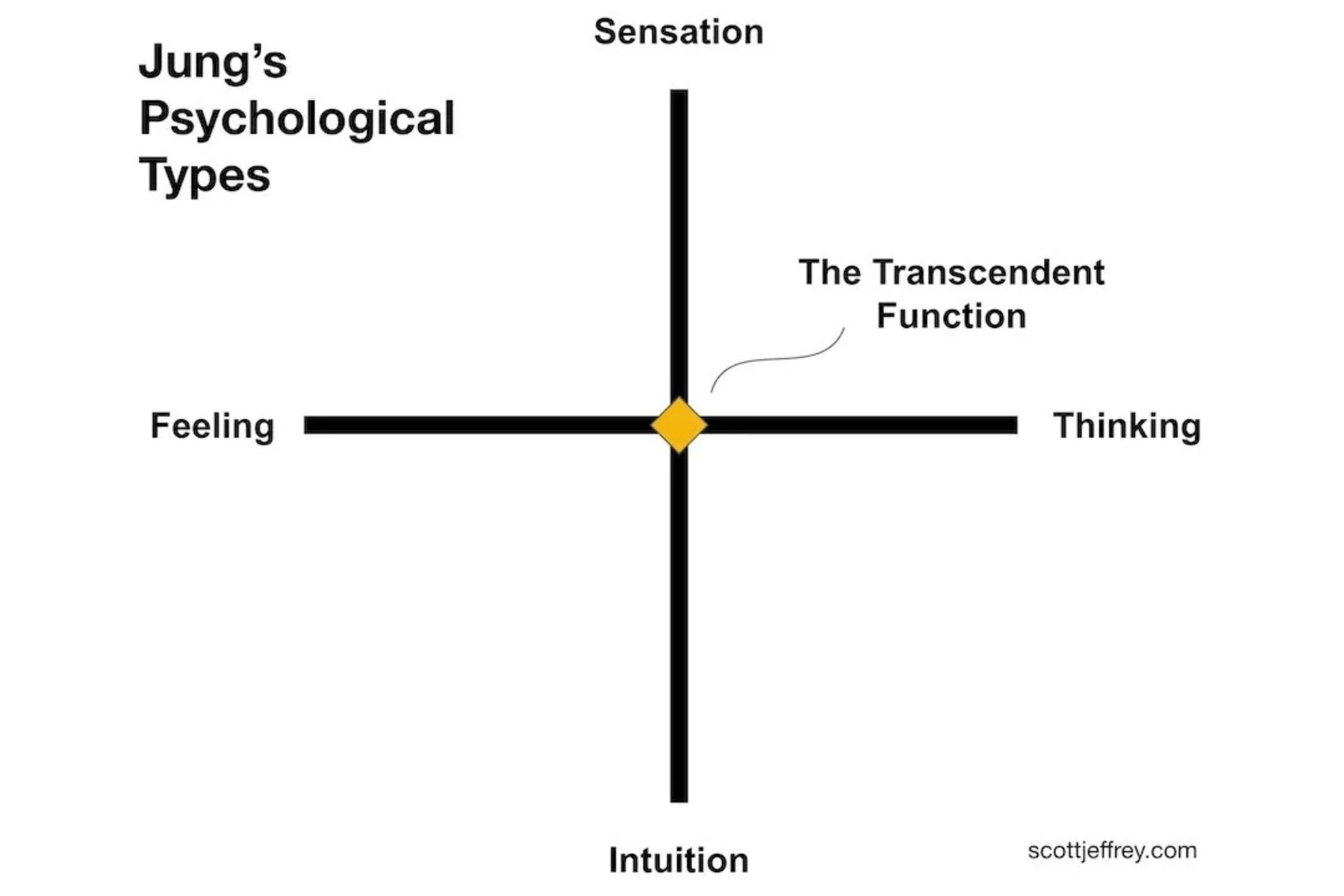
The third is the theory of psychological types: the idea that differences between people are not random but reflect distinct personality patterns. This is where the concepts of introversion and extraversion come from, which Jung was the first to define with scientific rigour, long before they became part of everyday vocabulary.
The legacy of analytical psychology
Jung died in 1961, but his work continues to influence fields as diverse as psychotherapy, education, team management and, increasingly, interior design.
Jung never separated the environment from the individual. For him, the space we inhabit, the objects we choose and the symbols we surround ourselves with say something about who we are. If chosen with intention, they can support who we are becoming.
It is on this premise that Interior Guider's psychoaesthetic method was built.