

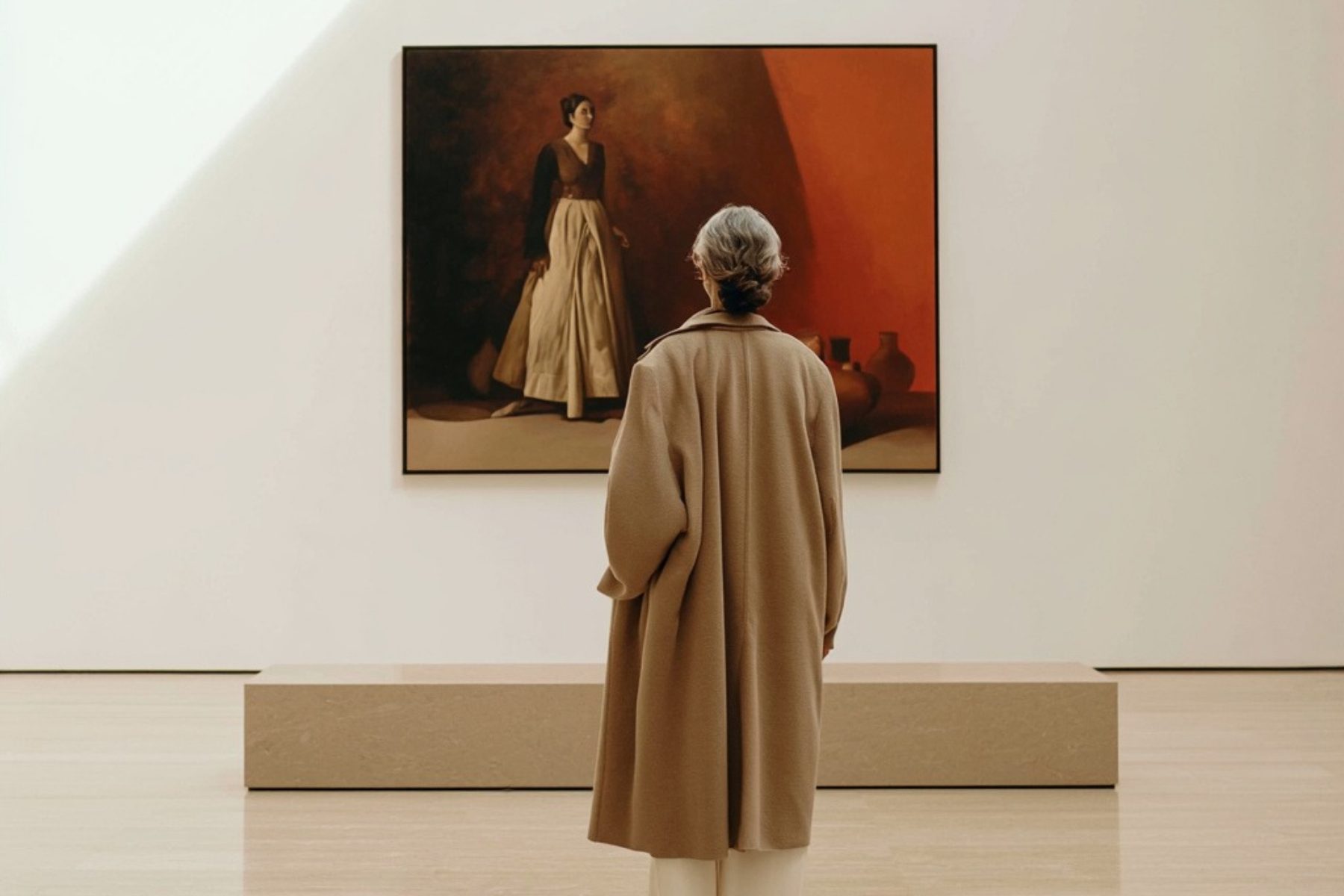
It is a process of gathering and interpreting information. Its purpose is to turn scattered perceptions into clear guidelines that steer the entire project. It seeks to understand both the functional needs of the space and the atmosphere the user wishes to experience.
The method is based on C.G. Jung's analytical psychology, specifically the theory of psychological types, which identifies distinct patterns in the way each person perceives and evaluates reality. It is from these psychological patterns that the psychoaesthetic diagnosis works.
The Psychoaesthetic Test
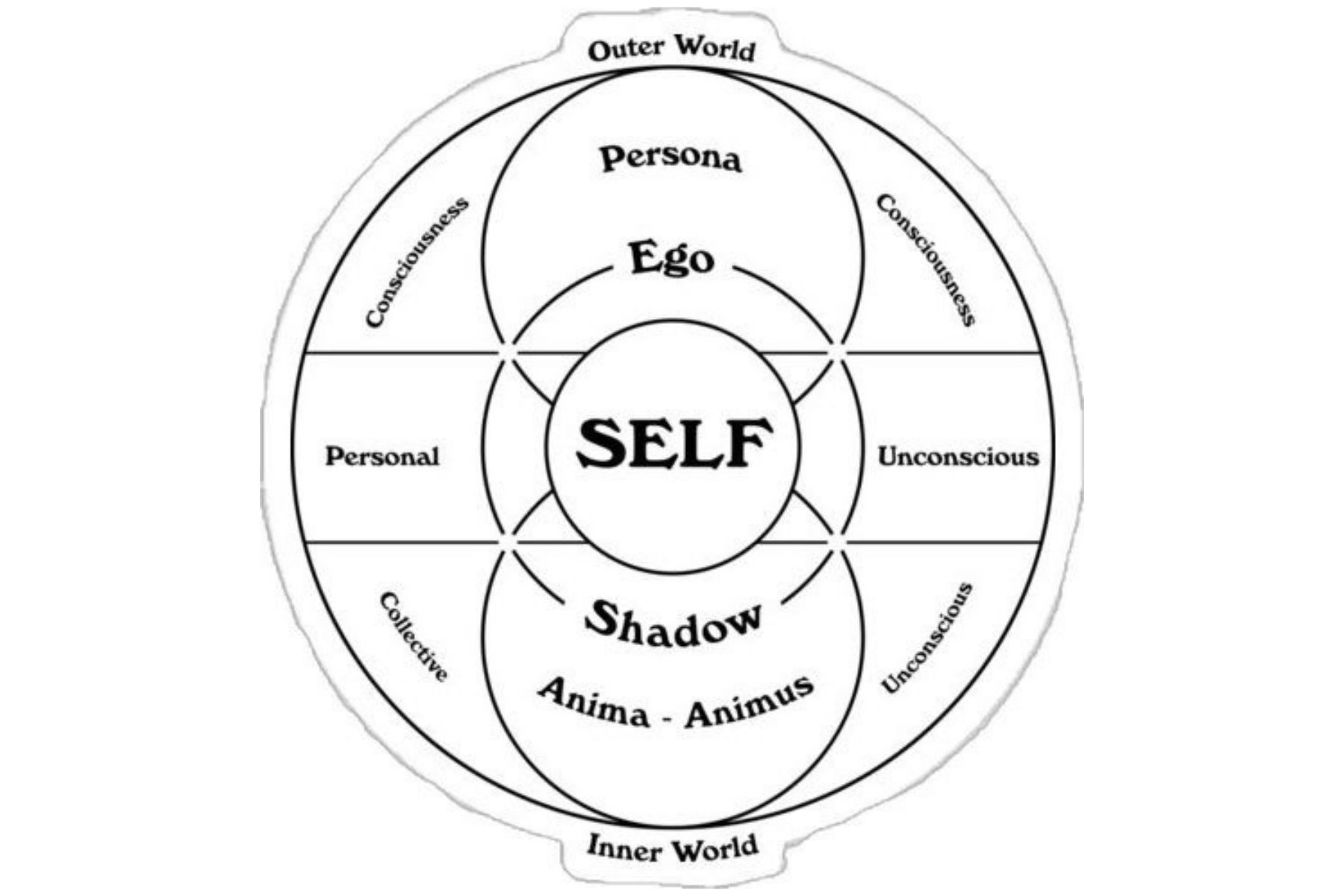
The diagnosis is conducted by the Guider (a designer specifically trained in the method) and begins with the Psychoaesthetic Test. This combines abstract images, moodboards, psychological questions and colour palettes. Each element serves a different purpose. The abstract images reveal patterns of visual perception that operate before any conscious aesthetic judgement; the moodboards confirm or challenge these readings with references closer to the lived-in space.
The result of the test is a psychoaesthetic profile: a map of how the person relates to space. Two clients with the same psychoaesthetic profile may arrive at very different solutions.
Through ongoing monitoring, we have found that 94% of the people who took the test identified with the recommended design ideas and products (including affirmative answers and those suggesting only minor adjustments).
The Psychoaesthetic Test is available to anyone, at any time, on the Interior Guider website.
The Psychoaesthetic Diagnosis
The psychoaesthetic diagnosis is the step that precedes the project itself. It is the method that allows us to obtain comprehensive, detailed information about the client. This diagnosis is exclusive to those who develop a project with Interior Guider.
To ensure rigour, calibration tools are used to assess and fine-tune the test result.
Through symbolic exercises, it is possible to gain a better understanding of the stage of life the person is in and, consequently, the path they are following on a psychological level.
It is from this assessment that the project's Psychoaesthetic Concept is developed: a conceptual guidance document that visually translates the atmosphere and the technical rigour of the diagnosis. It includes a concept map, a materials moodboard and Guide Images that already anticipate the atmosphere to be created.
This concept is presented to the client for approval and concludes the diagnosis phase. The aim is for the interior design project to begin with well-grounded psychological and symbolic work and a shared understanding between the team and the client.