

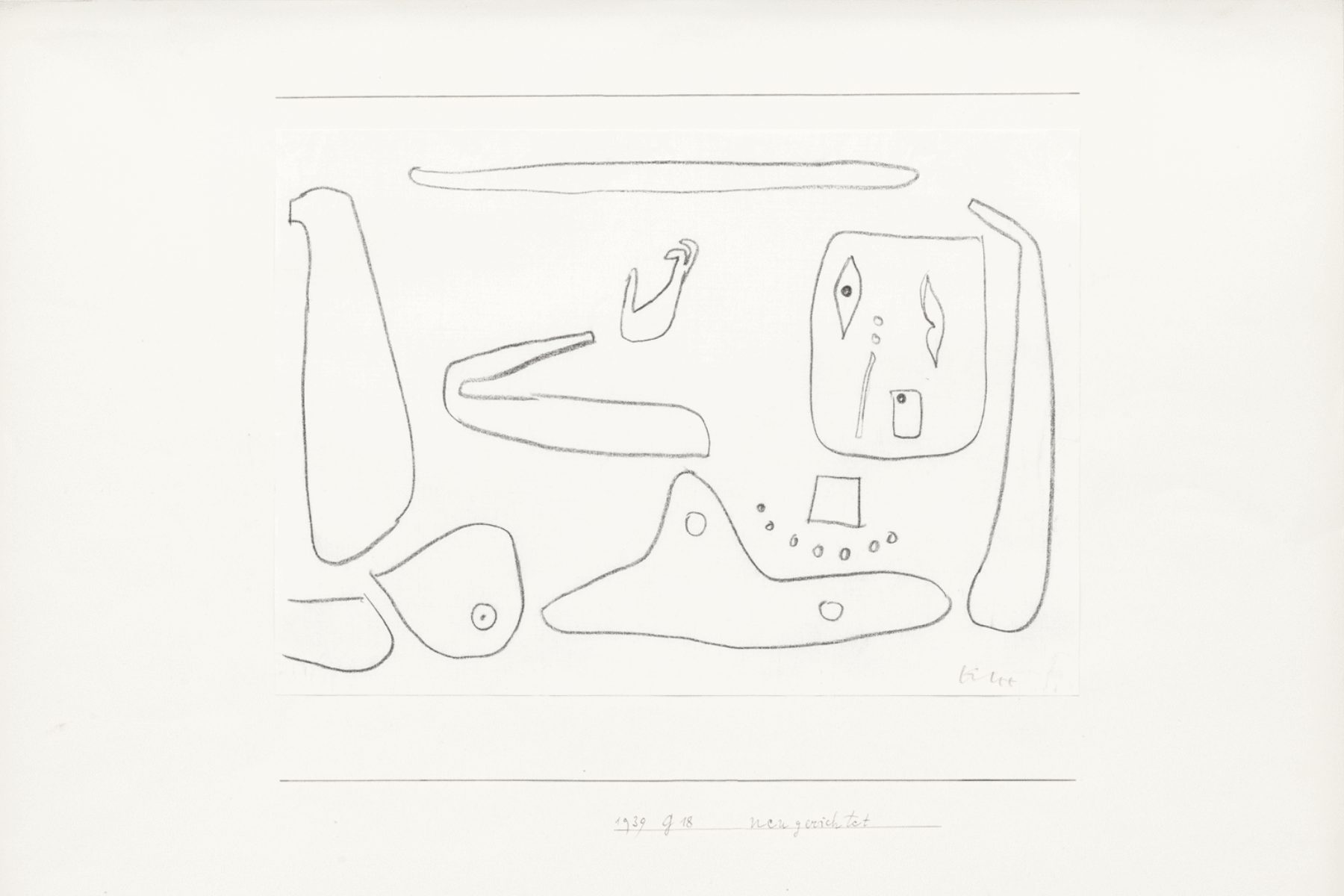
"Art does not reproduce the visible; it makes visible." (Kunst gibt nicht das Sichtbare wieder, sondern macht sichtbar). Paul Klee, 1920
The psychoaesthetic concept is the creative direction that translates the client's psychoaesthetic profile into a proposed atmosphere for the space, guiding the development of the interior design project.
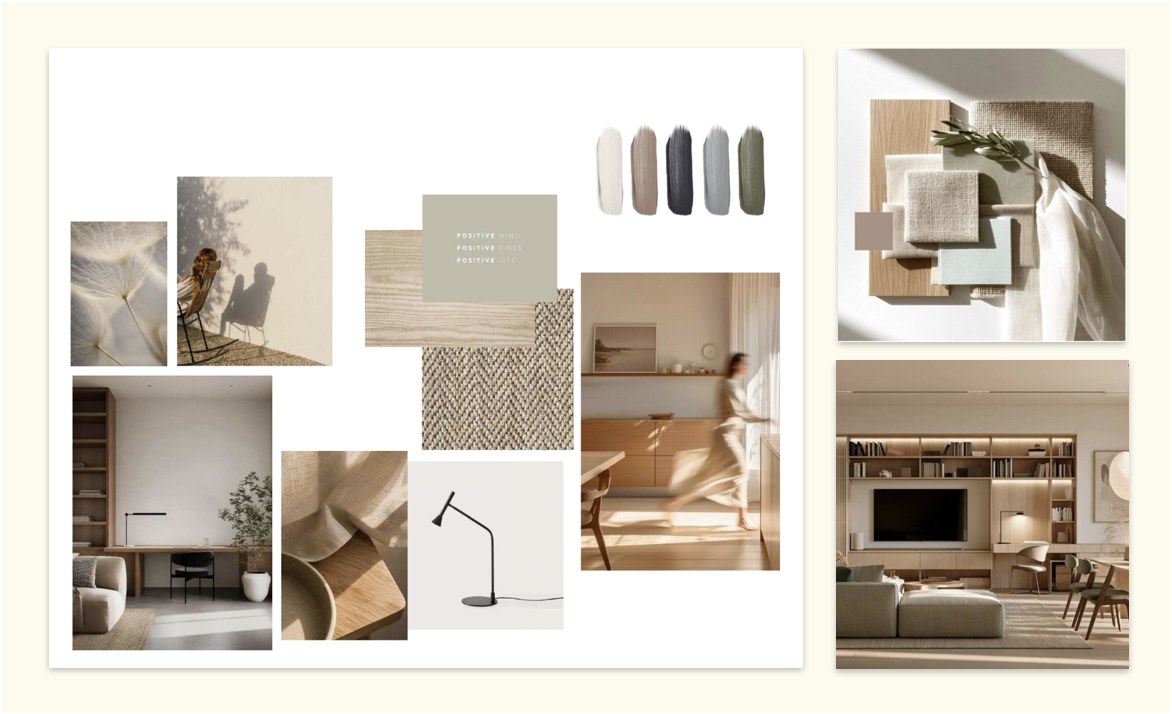
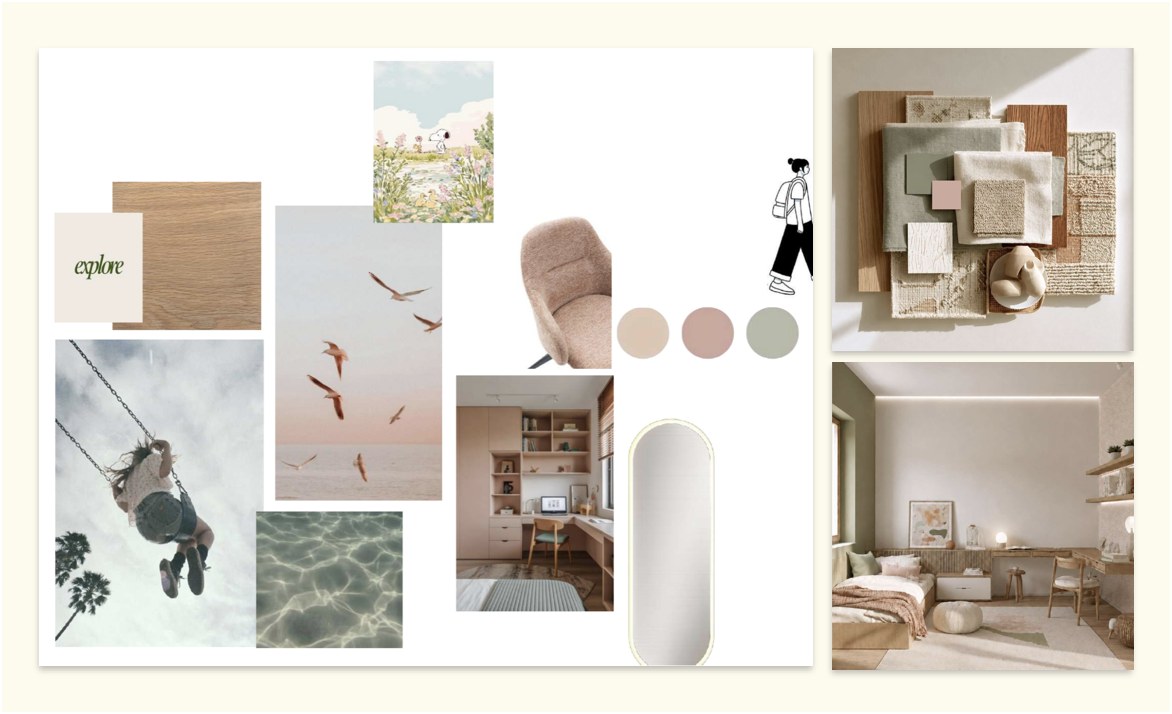
It is presented in a document that brings together a conceptual map of images, a materials moodboard and Guide Images. Together, these elements make the results of the diagnosis visible and establish a common ground for the decisions of both designer and client.
From diagnosis to concept
The concept stems from the Psychoaesthetic Diagnosis, a process that combines the Psychoaesthetic Test, symbolic exercises and the Guider's analysis and interpretation.
To find out more, read the article: What is the Psychoaesthetic Diagnosis?
Based on this analysis, the Guider develops an aesthetic direction that guides the choice of materials, colours, shapes, lighting and other elements of the space. Each concept is the result of an interpretation of the profile identified, in dialogue with the client's needs, experiences and stage of life.
What does it consist of?
The psychoaesthetic concept is made up of three complementary parts:
- Conceptual map Brings together symbolic images and references to spaces, objects and other visual expressions that explore the themes identified in the diagnosis. It is a stage of creative exploration that makes it possible to deepen meanings and enrich the artistic dimension of the project before translating them into spatial solutions.
- Materials moodboard Brings together the materials, colours, textures and patterns that give expression to the concept. It bridges the references of the conceptual map and the concrete choices for the space, making it possible to see how they relate to each other and what atmosphere they can create.
- Guide Images For each space to be designed, an image is created to visualise the proposed atmosphere. These images serve as references throughout the development of the project, helping to keep decisions consistent with the defined concept.
And when the space is shared?
In a project for a couple, a family or a team, the concept takes into account the different psychoaesthetic profiles of the people who will share the space. It seeks to identify affinities, understand how differences can complement each other and recognise the aspects that need to be negotiated.
The aim is to create a common space that respects each person's individuality and supports life together. In projects for brands, this interpretation also takes into account the brand's identity and the experience it wishes to offer those who use the space.
Why is this phase important?
The psychoaesthetic concept concludes the first phase of an Interior Guider interior design project. It is at this stage that the foundations are laid for translating, in greater depth, the psychological profile of each person or brand into the space.
In addition to the essential questions of a brief – functional needs, characteristics of the space, budget, references and inspirations – the diagnosis includes symbolic exercises that help to better understand the client's psyche, to learn about the stage of life they are in and, consequently, to prompt reflection on themselves and on the path they wish to chart for the future.
This conceptual work enriches the artistic dimension of the project. The design, the selection of objects and the impact of colour and light take on a deeper meaning in their relationship with those who will live in the space.
Choices come to answer to an intention shared by designer and client, ensuring that the project follows the goal set out in this phase. The client's involvement in this process will be of great importance for the impact the space will have on them and on their personal development.