

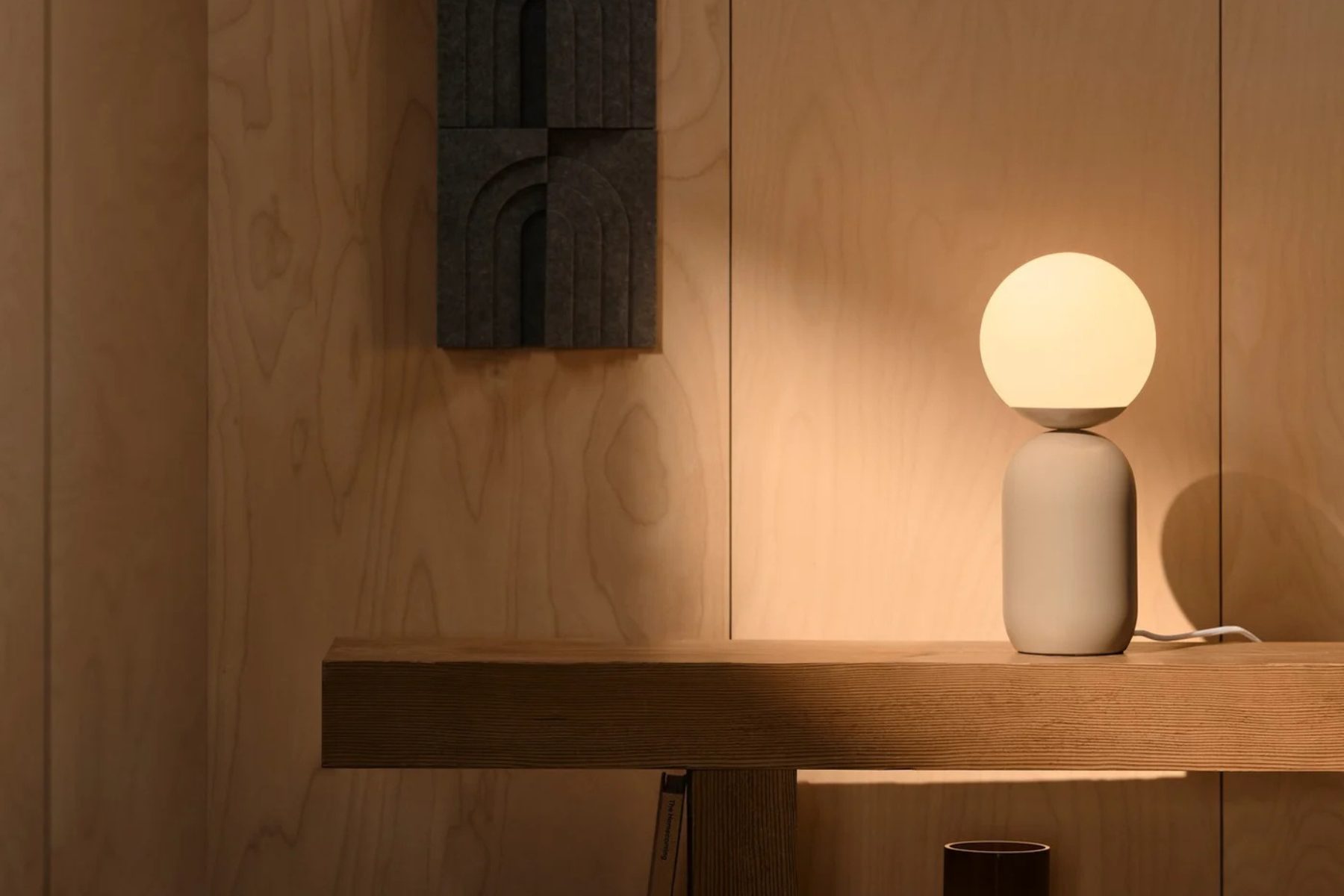
Lighting an interior space is both an art and a science.
Light directly affects visual comfort, the arrangement of elements in the space and even physical and mental health.
Insufficient or poorly distributed light can cause eye strain, headaches and a drop in productivity, whereas balanced lighting encourages concentration, highlights architectural details and creates a comfortable atmosphere.
Light regulates our biological rhythms. Adequate exposure during the day activates hormones such as serotonin and, as evening falls, soft light encourages the production of melatonin, aiding sleep and reducing stress.
To find out more about the psychology of light, read the blog post: Light in Psychoaesthetic Design: an essential nutrient
Understanding and designing lighting is essential to creating spaces that work better and promote quality of life.
Types of lighting
**General (or ambient) light
**This is the main ceiling lighting, which illuminates the whole space evenly. A typical example: flush ceiling lights or pendants that ensure the entire room is lit. This even light promotes visual comfort and relaxation, avoiding the fatigue caused by direct glare.
**Task light (localised)
**Intended for specific areas where focused activities take place, such as over office desks, kitchen worktops or beside reading chairs. Table lamps, floor lamps or adjustable spotlights are well suited here.
**Accent light (decorative)
Highlights decorative or architectural features, creating contrasts of light and shadow. Examples include track lights, wall sconces and spotlights **aimed at paintings, shelves or wall textures. Accent light is usually more intense than general light at that focal point, bringing out colours and shapes to add depth to the space.
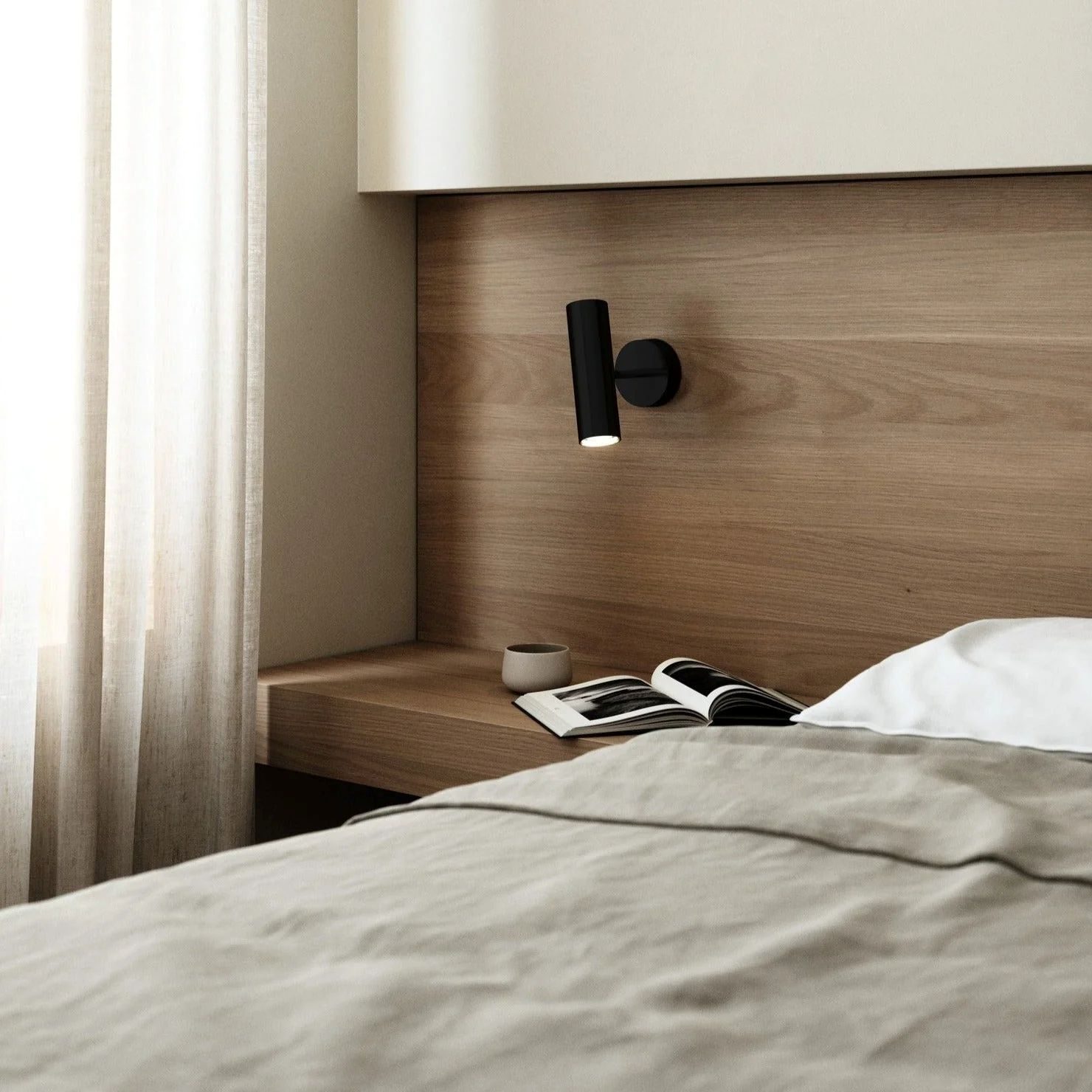
Source: Omari lamp, Nordlux
Lighting and Materials
Lighting does not work in isolation. It interacts with the materials that make up the space. Matt surfaces absorb light and create softer settings, while polished finishes reflect light and require greater control to avoid glare.
The angle at which light falls also influences the perception of texture. Applied at a grazing angle, it reveals relief and creates depth. Diffused, it softens imperfections and evens out surfaces.
Colour temperature should be defined according to the palette of materials and the function of the space, as it influences how colours are perceived and the atmosphere created. Warmer tones encourage relaxation, while cooler temperatures stimulate focus and concentration.
Technical factors to consider
Lumens (lm)
These indicate the total luminous flux. The higher the number of lumens, the brighter the source. For example, a 500 lm bulb is good for table lamps, while 1500 lm is ideal for lighting large spaces such as kitchens or living areas.
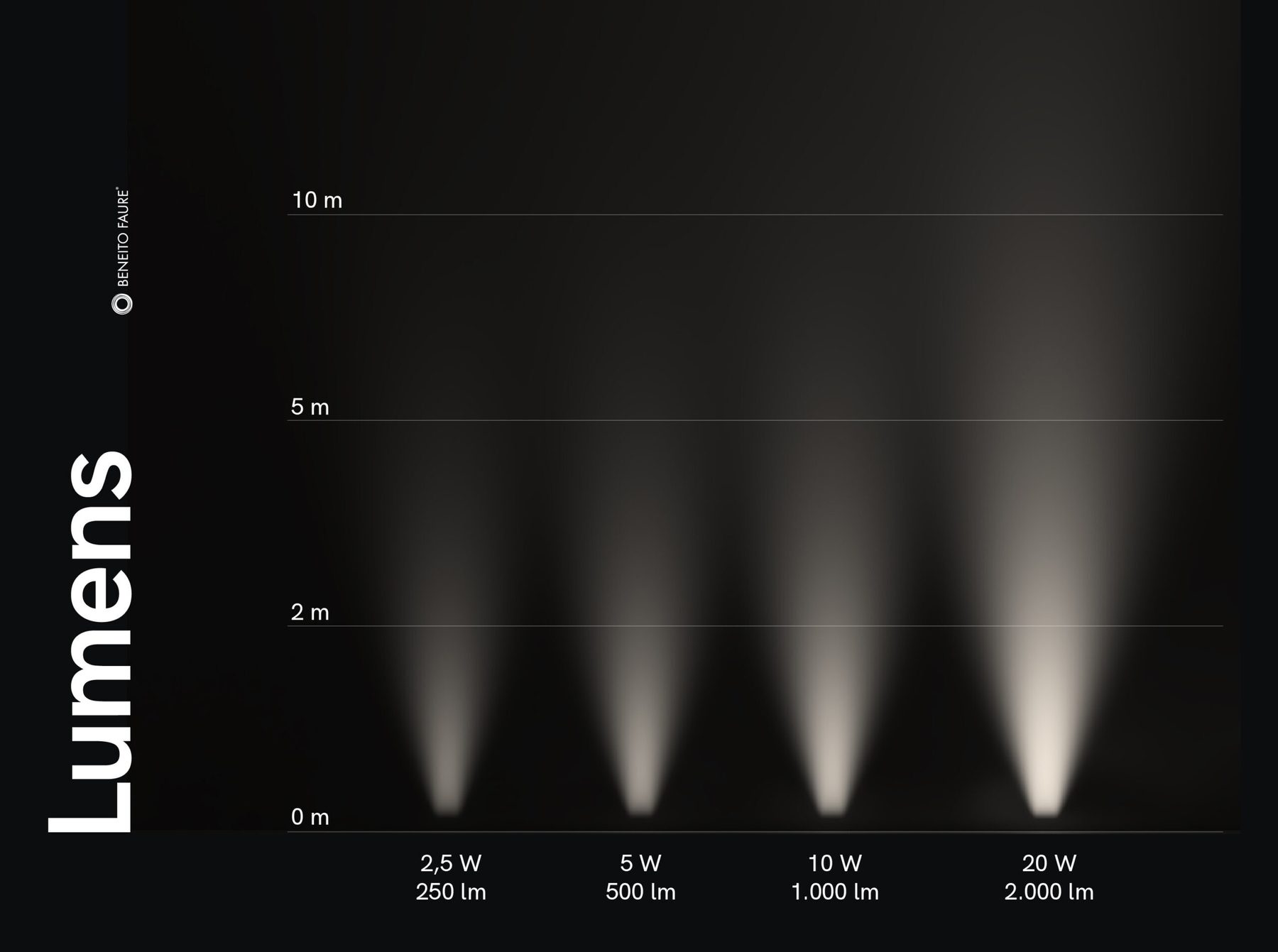
Source: Beneito Faure
Colour temperature (Kelvin)
Kelvins (K) measure the tone of light. Light at 2700–3000K is yellowish (“warm”), creating a cosy atmosphere; 4000K is neutral/white; above 5000K it is cool (bluish), reminiscent of daylight.
Warm light creates a feeling of comfort and intimacy, conducive to relaxation. It is used in living rooms, bedrooms and restaurants, where we want a calm, welcoming mood.
Cool, bright light, on the other hand, encourages concentration, alertness and energy. It is suited to offices, kitchens, classrooms and other workspaces.
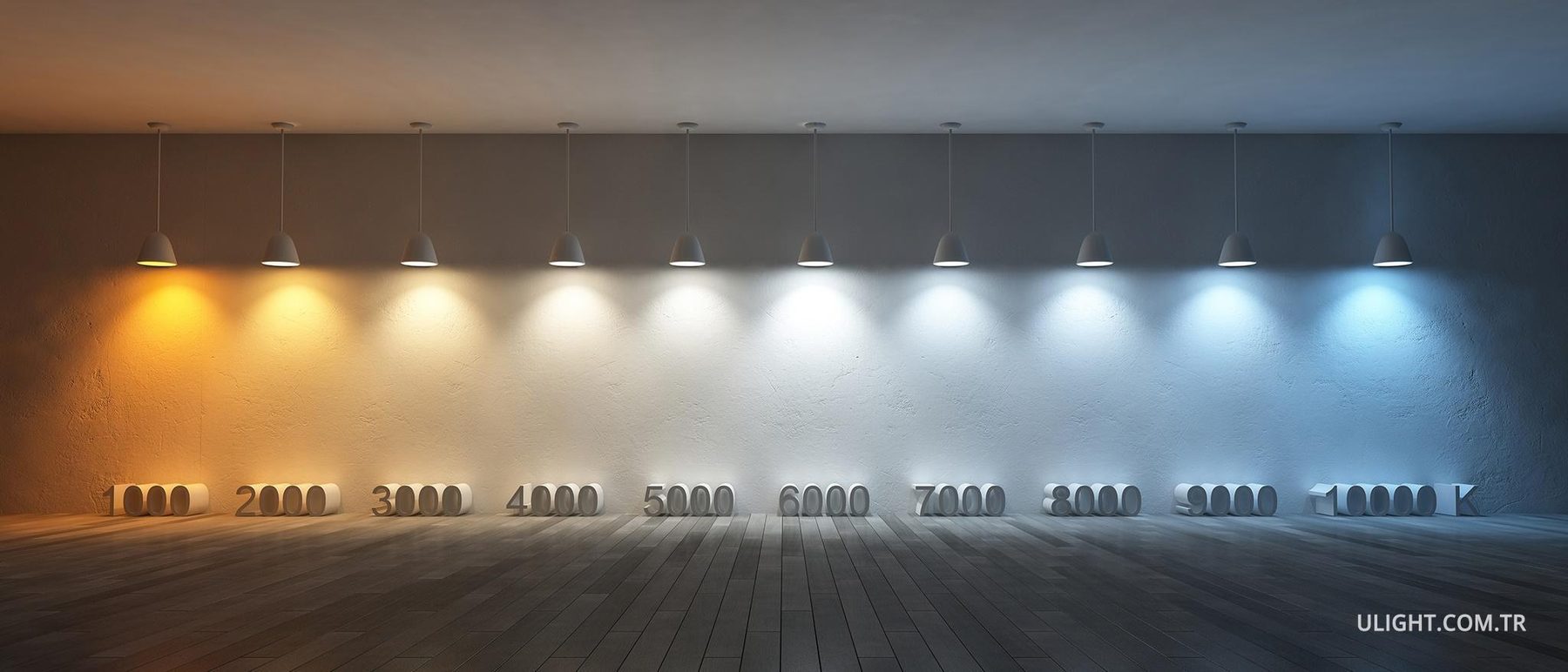
Source: Illustration on criteria for choosing LED lighting products. Source: Advance – Lighting & Electrical Distributors
CRI (Colour Rendering Index)
This measures the ability of light to reproduce the true colours of objects. It ranges from 0 to 100 (100 = natural midday light). The higher the CRI, the more faithful and vibrant colours will appear under that light.
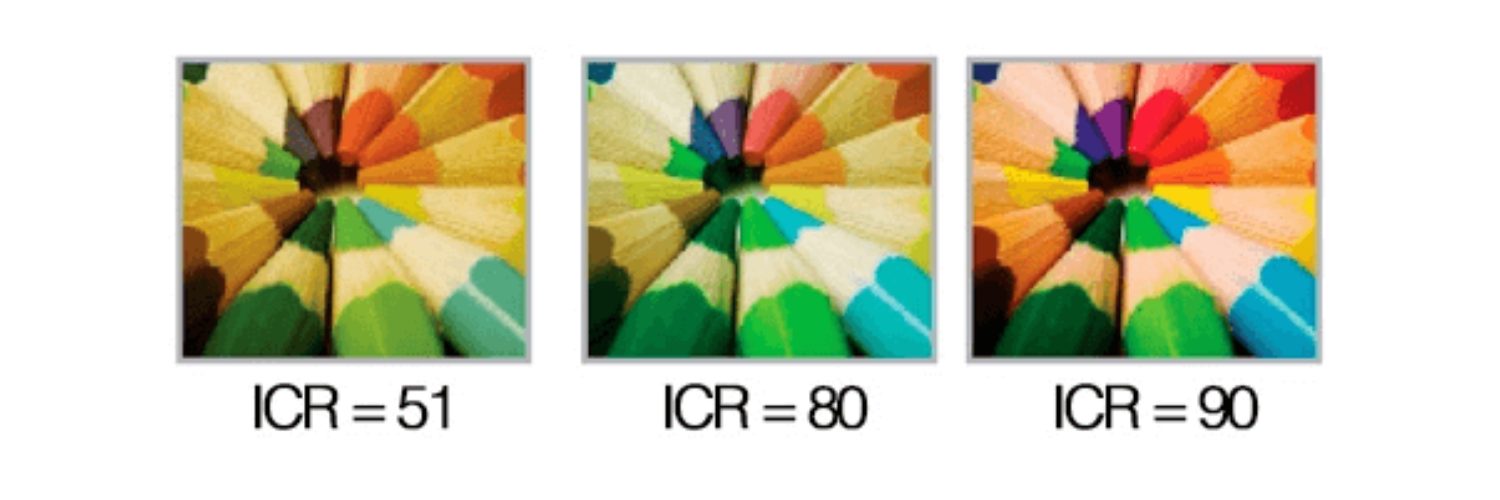
.Source: CA2
Dimmers and intensity control
It is useful to install switches or bulbs compatible with dimmers (intensity regulators). Brightness can then be adjusted as needed: strong light for tasks, soft light for relaxing.
Interior Guider Selection
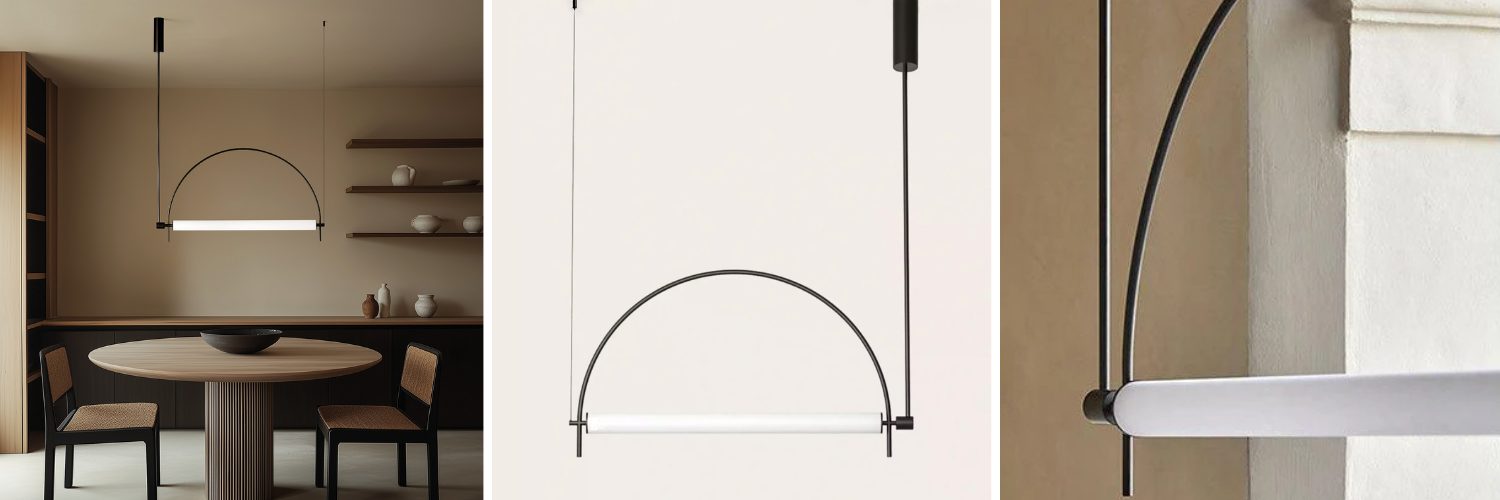
Arc
The Arc is a sculptural piece that challenges conventional geometry through its arched structure.
This model uses integrated 20W LED technology at 2700K (warm white), emitting up to 2000 lumens.
View in shop: https://interiorguider.com/arc-lamp/
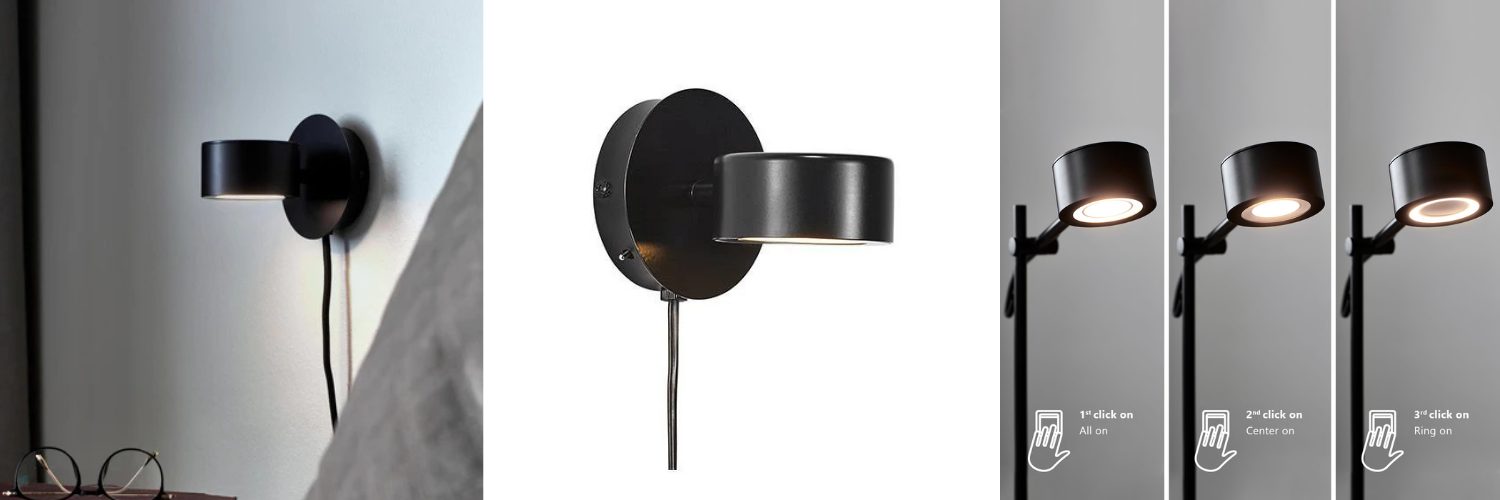
Clyde wall
It incorporates Moodmaker™ technology, allowing light intensity to be adjusted (100%, 50% or night light) directly from a conventional wall switch, with no need to install external dimmers.
View in shop: https://interiorguider.com/clyde-parede/
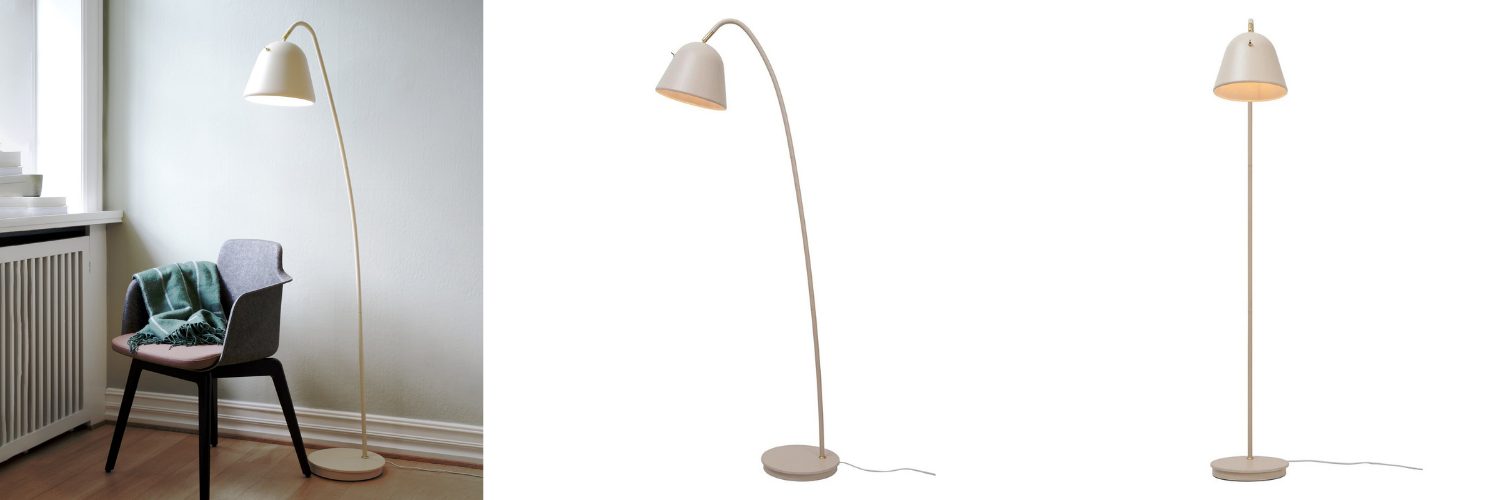
Fleur
Designed by the studio Says Who, Fleur is inspired by vintage design. This floor lamp has an adjustable head (64° tilt). It takes an E27 lamp holder for LED bulbs of up to 15W, making it ideal for reading corners.
View in shop: https://interiorguider.com/fleur-lamp/
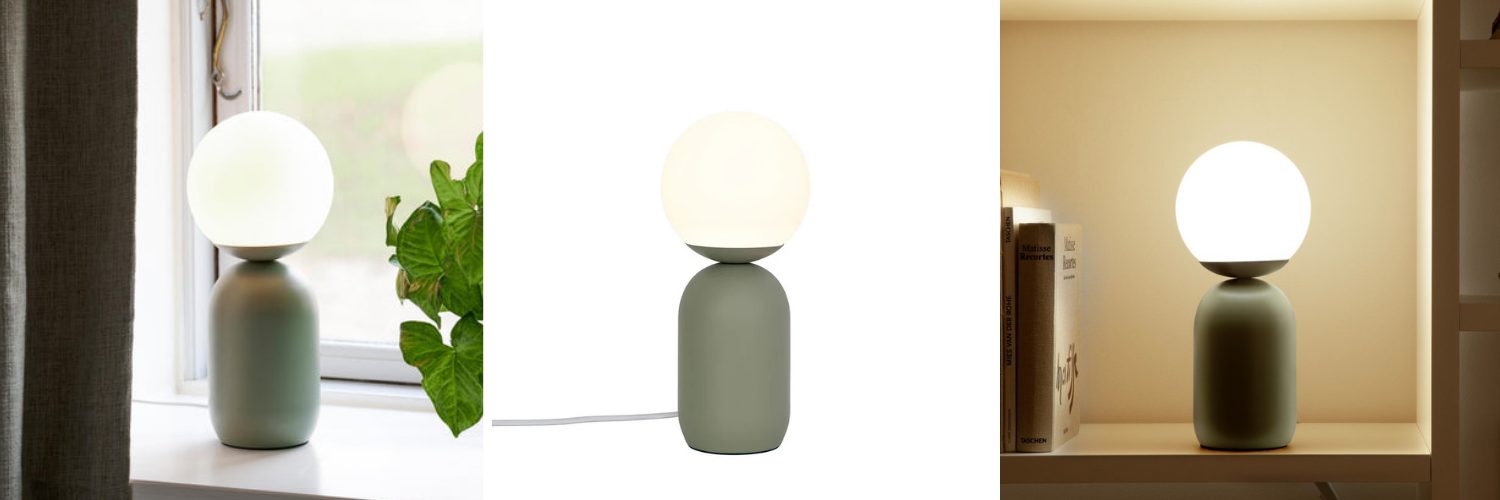
Notti
The opal glass acts as a perfect diffuser, eliminating direct glare and providing even, diffused lighting, ideal for relaxing settings.
View in shop: https://interiorguider.com/notti-table-lamp/
The full lighting selection is available in the Interior Guider online shop: interiorguider.com